
Imagine you’re trying to rent a new apartment or buy a car, and suddenly, the lender asks for your credit score. You stare at them blankly because, well, you don’t have one. It’s a frustrating “catch-22”: you need credit to prove you’re responsible, but you can’t get credit without a history of being responsible. If you feel stuck in this loop, you aren’t alone. Thousands of people start their financial journey with a blank slate every single year.

The good news is that a zero credit score isn’t a permanent roadblock. It’s just a starting line. By using the right financial tools, you can begin documenting your payment habits and building a score that opens doors. This guide will walk you through the specific types of cards available, what to look for in terms of fees, and how to avoid the common traps that sink newcomers.
Understanding your options for a fresh start
When you have no credit history, traditional premium cards with fancy travel perks are usually out of reach. Lenders see you as a high risk because they have no data to predict if you’ll pay them back. Instead, you should focus on three specific categories of cards designed for beginners.
Secured credit cards
A secured card is arguably the most reliable way to start. To get one, you have to provide a refundable security deposit, which usually acts as your credit limit. If you deposit $300, your credit limit is $300. This deposit protects the bank if you fail to pay your bill. While it feels like you’re just moving your own money around, the bank reports your monthly activity to the major credit bureaus, which is exactly what you need.
Student credit cards
If you are currently enrolled in a college or university, you might qualify for a student card. These are unsecured, meaning you don’t need a deposit. Banks offer these because they want to capture your business early. They often feature lower barriers to entry, though they may have higher interest rates than cards for established borrowers.
Unsecured starter cards
Some lenders offer “prime” cards to people with thin files. These are harder to get than secured cards but don’t require a deposit. They are often marketed as “entry-level” cards. If you have a steady income and a clean record (even without a score), these are worth a shot.
Comparing card features and costs
Don’t just grab the first card you see in an ad. You need to look closely at the fine print. A card might look great because it offers rewards, but if the annual fee or interest rate is too high, it could actually hurt your progress. I recommend comparing the following metrics before applying.
| Card Type | Typical APR Range | Annual Fee | Best For |
|---|---|---|---|
| Secured Card | 18% – 28% | $0 – $50 | Building credit from zero |
| Student Card | 15% – 25% | $0 | College students with income |
| Starter Unsecured | 20% – 30% | $0 – $95 | People with thin credit files |
When looking at these numbers, keep an eye on the APR. If you plan to carry a balance (which I don’t recommend), a high APR will eat up any rewards you earn. Also, pay attention to the cashback vs points debate. For a beginner, cashback is often simpler because it directly offsets your monthly spending, whereas points often require much higher spending levels to become useful.
The golden rules of credit building
Getting the card is only half the battle. How you use it determines whether your score climbs or crashes. Under the Fair Credit Reporting Act (FCRA), lenders are required to report your account activity to the credit bureaus, but they aren’t required to report “good” behavior—they only report the facts of your transactions and payments.
- Pay in full every month: This is the most vital rule. Carrying a balance does not help your score; it only costs you interest.
- Keep utilization low: Your credit utilization ratio—the amount of credit you use compared to your total limit—is a massive factor in your score. Aim to keep your usage under 30% of your total limit.
- Automate your payments: Missing a single payment can cause a significant drop in your score. Set up autopay for at least the minimum amount to ensure you never miss a deadline.
- Avoid multiple applications: Every time you apply for a card, a “hard inquiry” hits your report. Too many of these in a short period can make you look desperate for credit.
Avoiding common beginner mistakes
It is easy to fall into habits that feel helpful but actually damage your progress. For instance, many people think that using their entire limit every month shows “active use.” In reality, high utilization signals to lenders that you might be overextended. If you have a $500 limit, try not to let your balance exceed $150 at the end of the billing cycle.
Another pitfall is ignoring the annual fee. While many starter cards are $0, some secured cards charge a fee just for the privilege of holding the account. If you find a card with a fee under $25, it might be worth it for the credit building benefits, but don’t pay $95 for a card that offers no real value to your specific lifestyle.
Lastly, don’t forget that your credit history is a marathon, not a sprint. You won’t see a perfect score overnight. It usually takes at least six months of consistent, responsible usage before you see meaningful movement in your credit report.
Next steps for your financial future
Ready to take control? Start by checking your current status through a free service to see if you truly have a blank slate. Once you’ve confirmed, research secured cards that offer best rates and no annual fees. Once you land your first card, treat it like a tool, not free money. Use it for one small, recurring subscription, pay it off immediately, and watch your financial foundation grow.
If you’re feeling overwhelmed, start small. One single, well-managed account is much better than three poorly managed ones.
Our Top Picks
Products we recommend:
1. Card case credit cards, RFID blocking credit card case credit cards
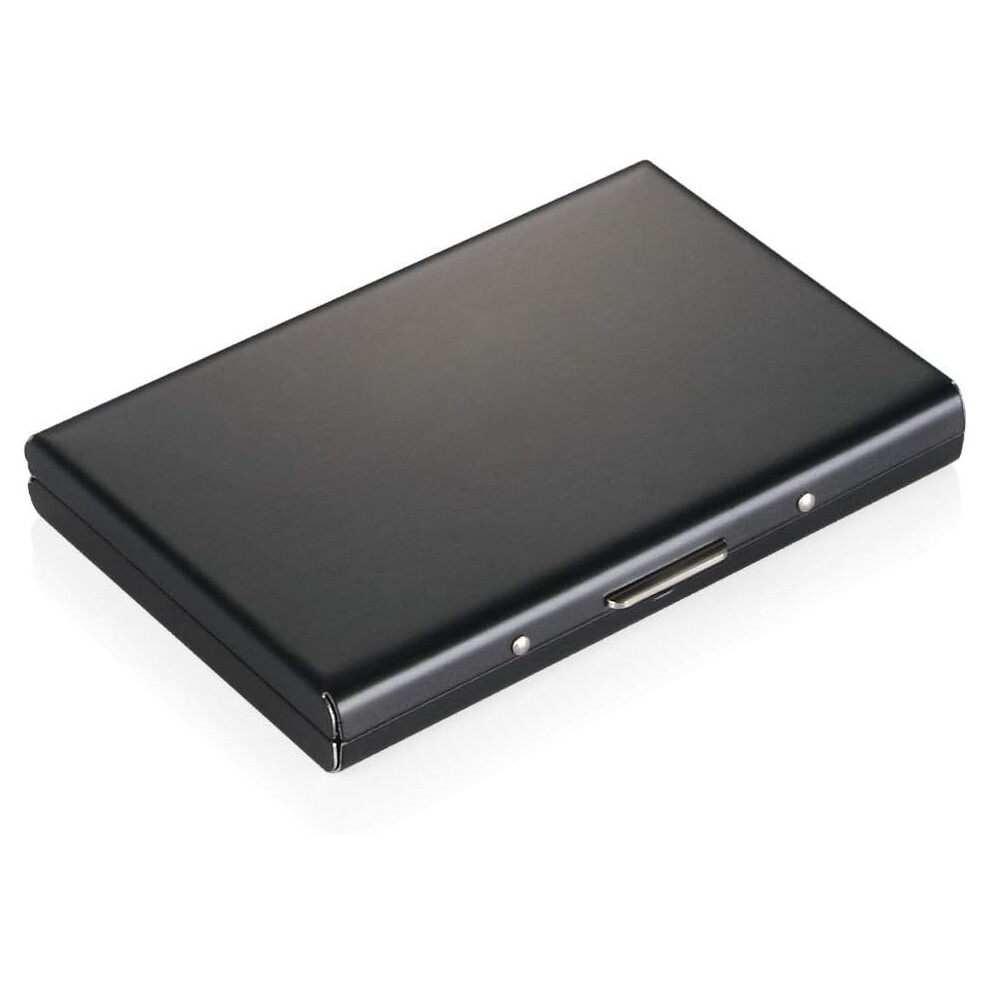
Card case credit cards, RFID blocking credit card case credit cards
by OnBuy.com
$7.38
2. Wallet For Credit Cards/ Money