
Imagine you’re trying to rent a new apartment or buy your first car, but every time you submit an application, you get hit with the same frustrating response: “Insufficient credit history.” It feels like a Catch-22. You need credit to prove you’re responsible, but you can’t get credit without already having a track record. If you are staring at a blank credit report, you aren’t alone, and more importantly, you aren’t stuck.

Building credit from zero is less about finding a “magic” card and more about choosing the right tool for the job. You need a card that accepts people with no history and a strategy that shows lenders you can handle debt without drowning in it. This guide will walk you through the specific types of cards available, what to look for in the fine print, and how to avoid the common traps that lead to high interest rates and damaged scores.
Understanding your options: Secured vs. Student vs. Unsecured cards
When you have no credit history, traditional “unsecured” cards—the kind most people use—are often out of reach because banks have no way to measure your risk. Instead, you”ll likely look at three specific categories.
Secured credit cards
This is the most reliable way to start. With a secured card, you provide a refundable security deposit (usually equal to your credit limit) to the issuer. This deposit acts as collateral. If you fail to pay your bill, the bank uses that money to cover the loss. Because the risk to the bank is minimal, they are much more likely to approve you.
Student credit cards
If you are currently enrolled in a college or university, you might qualify for a student card. These are unsecured, meaning you don’t need a deposit, but they are designed for people with limited income and no credit history. They often come with better perks, though they may have slightly higher interest rates than standard cards.
Unsecured starter cards
Some lenders offer “prime” or “subprime” cards that don’t require a deposit. These are harder to get without a score, but if you have a steady income and a clean background, it is worth checking your eligibility. These cards are the bridge between building credit and accessing the “real” rewards cards.
Comparing the costs: What to look for in the fine print
It is easy to get distracted by shiny rewards, but when you are building credit, the fees and interest rates matter much more. A card with 2% cashback is useless if you are paying a $75 annual fee just to keep the account open.
When comparing cards, pay close attention to the APR (Annual Percentage Rate). Since you are likely starting with a lower credit limit, a high APR can cause interest to snowball quickly if you don’t pay your balance in full every month. You should also look for a no annual fee option to keep your overhead low while you learn the ropes.
| Card Type | Typical APR Range | Annual Fee | Best For |
|---|---|---|---|
| Secured Card | 18% – 28% | $0 – $50 | Absolute beginners |
| Student Card | 15% – 25% | $0 | College students |
| Unsecured Starter | 20% – 30% | $0 – $100 |
The Great Debate: Cashback vs points
Once you find a card that fits your budget, you might start wondering about rewards. You’ll often see the debate of cashback vs points when browsing options. For someone building credit, the answer is almost always cashback.
- Cashback: This is straightforward. You spend money, and a percentage of that spend is returned to you as a statement credit or direct deposit. It is easy to track and helps offset any small fees the card might have.
- Points: These are often tied to travel or specific retailers. While they can be more valuable if you know how to “game” the system, they are much more complex and harder to value when you are just trying to manage a basic monthly budget.
Stick to simplicity while your credit score is in its infancy. A simple 1% or 1.5% cashback card allows you to earn a little extra without needing a complex spreadsheet to track your “miles” or “points.”
Rules for responsible usage to boost your score
Simply having the card isn’t enough; how you use it determines your future borrowing power. Under the Fair Credit Reporting Act (FCRA), lenders report your payment history to the three major bureaus (Equifax, Experian, and TransUnion). This report is what determines your score.
To ensure your score climbs steadily, follow these three golden rules:
- Never miss a payment: This is the single most important factor. Even one late payment (30 days past due) can tank a brand-new credit score. Set up autopay for at least the minimum amount to protect yourself.
- Watch your utilization: Credit utilization is the ratio of your current balance to your total credit limit. If you have a $300 limit and you spend $290, your utilization is nearly 100%, which looks risky to lenders. Try to keep your usage below 30% at all times.
- Pay the full balance: While you only need to pay the minimum to avoid late fees, you should aim to pay the entire statement balance every month. This prevents interest from accumulating and keeps you in control of your lowest APR potential in the future.
Think of your credit card as a tool for convenience, not as extra income. If you cannot afford to pay for the item in cash today, you probably shouldn’t put it on your credit card.
Final thoughts on your credit journey
Building credit from scratch is a marathon, not a sprint. It takes months of consistent, boring, and disciplined behavior to see significant movement in your score. However, by starting with a secured or student card, avoiding high annual fees, and keeping your balances low, you are laying a foundation that will eventually allow you to access much more powerful financial tools.
Ready to take the first step? Start by checking your current credit report for any errors, then research one no-annual-fee secured card that fits your budget. Your future self will thank you.
Our Top Picks
Products we recommend:
1. Card case credit cards, RFID blocking credit card case credit cards
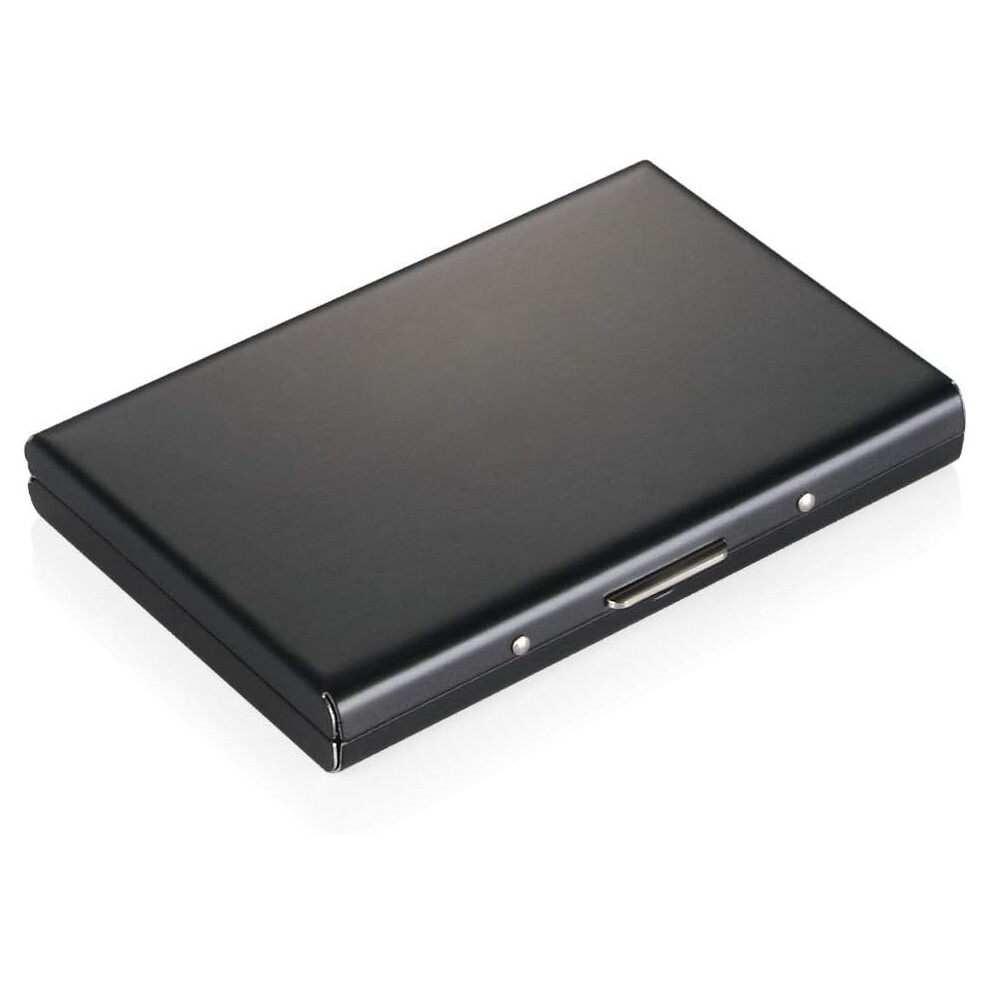
Card case credit cards, RFID blocking credit card case credit cards
by OnBuy.com
$7.38
2. First Credit Cards and Credit Smarts (eBook)
3. Palestine Credit Card Skin Palestinian keffiyeh Sticker for credit cards

Palestine Credit Card Skin Palestinian keffiyeh Sticker for credit cards
by TikTok Shop US – Marketplaces
$3.29