
Imagine you’re trying to rent a new apartment, buy a car, or even land a job, and suddenly, you hit a brick wall. The reason? You have no credit history. It feels like a “catch-22” situation: you need credit to prove you’re responsible, but you can’t get credit because you haven’t proven anything yet. If you are staring at a blank credit report, don’t panic. You aren’t stuck; you just need the right tools to start your paper trail.

Building credit from zero is a marathon, not a sprint. It requires a bit of strategy and some discipline, but once you get that first line of credit, the process becomes much more manageable. This guide will walk you through the different types of cards available, what to look for in the fine print, and how to avoid common pitfalls that could tank your score before you even start.
Understanding your options for starting from zero
When you have no credit history, traditional “unsecured” credit cards—the kind with fancy travel rewards and high limits—are usually out of reach. Lenders view you as a high risk because they have no data to predict if you’ll pay them back. Instead, you’ll likely look at three specific categories of cards designed for beginners.
Secured credit cards
These are the most common starting point. With a secured card, you provide a cash deposit to the bank, which then acts as your credit limit. If you deposit $300, your credit limit is $300. This deposit protects the bank; if you fail to pay your bill, they use your money to cover the debt. Because the risk to the lender is so low, these are much easier to get approved for.
Student credit cards
If you are currently enrolled in a college or university, you might qualify for a student card. These are unsecured, meaning you don’t need a deposit, but they often have lower credit limits and higher interest rates. They are designed specifically for people with thin credit files and often include small perks like cash back on dining or campus bookstores.
Unsecured beginner cards
Some lenders offer “prime” cards to people with no history but a stable income. These are harder to get, but if you have a steady paycheck, it is worth checking your eligibility. These function just like standard cards but are tailored for those with a “thin” credit file.
Comparing card types and costs
Choosing the wrong card can lead to unexpected fees that eat into your budget. You should prioritize cards with no annual fee to keep your costs low while you are learning the ropes. Below is a breakdown of what you can expect regarding costs and interest rates.
| Card Type | Typical Security Deposit | Average APR Range | Annual Fee Potential |
|---|---|---|---|
| Secured Card | $200 – $500 | 18% – 29.99% | Low ($0 – $50) |
| Student Card | None | 20% – 28% | Often $0 |
| Unsecured Beginner | None | 22% – 30% | Variable |
When comparing these, keep a close eye on the APR (Annual Percentage Rate). While you should aim to pay your balance in full every month to avoid interest entirely, a high APR can be devastating if you ever miss a payment or carry a balance. Also, look for cards with best rates on late fees, as some lenders charge upwards of $40 for a single missed deadline.
The golden rules of credit building
Simply owning a card isn’t enough. How you use it determines whether your score climbs or crashes. Follow these steps to ensure your new account works for you, not against you.
- Keep your utilization low: This is the most important rule. Credit utilization is the percentage of your total limit that you are actually using. If your limit is $300, try not to let your balance exceed $30. Keeping this under 30% is standard, but under 10% is even better for your score.
- Automate your payments: Missing a single payment can stay on your credit report for seven years. Set up autopay for at least the minimum amount so you never accidentally miss a due date.
- Treat it like a debit card: Only spend money you already have in your bank account. If you can’t afford to pay for that coffee with cash today, don’t put it on the credit card.
- Check for hidden fees: Some beginner cards charge “monthly maintenance fees” or “application fees.” Look for cards under $50 in annual costs to ensure you aren’t paying for the privilege of building credit.
Legal protections and your rights
It is helpful to know that you aren’t at the mercy of your bank. Under the Fair Credit Billing Act (FCBA), you have specific rights regarding errors on your statement. If you notice a charge you didn’t make, you have the legal right to dispute it. You must notify the creditor in writing within 60 days of the statement being sent to you. This protection is a vital safety net for anyone navigating the complexities of credit for the first time.
Furthermore, the Credit CARD Act of 2009 implemented significant protections regarding how interest rates can be raised on existing balances. While lenders can still raise rates on new purchases, they generally cannot retroactively raise the rate on balances you were already carrying without providing significant notice.
Moving toward the next level
As your credit score grows, your options will expand. Once you have a solid history of on-time payments and low utilization, you can begin applying for “unsecured” cards with better rewards, such as travel points or significant cash back. The transition from a secured card to a premium card usually happens once your score moves into the “Good” or “Excellent” range (typically 670 or higher).
Don’t get discouraged if your progress feels slow. Credit building is a game of consistency. One month of perfect behavior is a great start, but it takes many months of the same pattern to build a truly resilient score.
Ready to take the first step? Start by checking your current credit report for any errors and then research secured cards that offer no annual fees. Your future self will thank you for the foundation you are building today.
Our Top Picks
Products we recommend:
1. Card case credit cards, RFID blocking credit card case credit cards
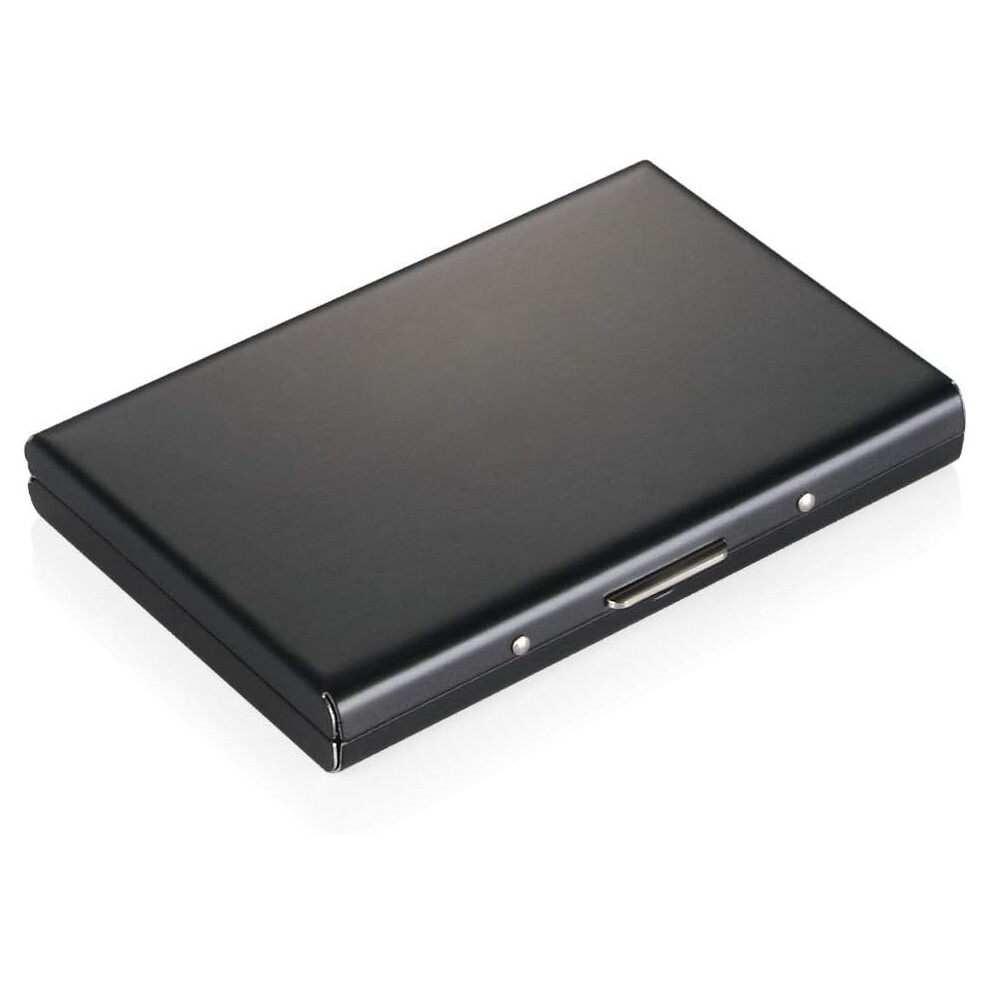
Card case credit cards, RFID blocking credit card case credit cards
by OnBuy.com
$7.38
2. First Credit Cards and Credit Smarts (eBook)
3. Wallet For Credit Cards/ Money