
Imagine you’re trying to rent a new apartment or buy a car, and the person across the desk asks for your credit score. You stare at them, realizing you don’t actually have one. It feels like being stuck in a loop where you need credit to get a job, but you need a job to get credit. If you are starting from zero, that “no score” status can feel like a brick wall, but it is actually just a blank canvas.

Building credit from scratch isn’t about spending money you don’t have; it is about proving to lenders that you are a reliable person who pays bills on time. The good news is that there are specific financial tools designed exactly for this purpose. You don’t need a massive savings account or a high-salary job to start; you just need a strategic plan and the right type of plastic in your wallet.
Understanding your starting options
When you have no credit history, traditional premium cards with fancy travel perks are usually out of reach. Instead, you should focus on three specific categories of cards that lenders use to help newcomers establish a footprint.
Secured credit cards
A secured card is the most common starting point. Unlike a regular card, you provide a security deposit upfront—usually anywhere from $200 to $500. This deposit acts as your credit limit. If you forget to pay your bill, the bank uses that money to cover the debt. Because the bank has that safety net, they are much more willing to approve someone with no history.
Student credit cards
If you are currently enrolled in a college or university, you might qualify for a student card. These function more like standard credit cards but have slightly more lenient approval criteria. They often include small perks like small amounts of cashback on dining or campus bookstores, making them a great way to transition into the “real” credit world.
Unsecured starter cards
These are harder to get but possible if you have a steady income and a clean background. They don’t require a deposit, but they often come with higher interest rates and lower limits. Think of these as the “entry-level” version of a standard credit card.
Comparing the most popular building tools
Choosing between these options depends on how much cash you have available right now. Below is a breakdown of how these cards typically look in terms of costs and features.
| Card Type | Typical Annual Fee | Average APR Range | Security Deposit Required? |
|---|---|---|---|
| Secured Card | $0 – $50 | 18% – 29.99% | Yes |
| Student Card | $0 | 15% – 25% | No |
| Starter Unsecured | $0 – $95 | 22% – 29.99% | No |
When looking at these numbers, pay close attention to the APR. Since you are building credit, you likely won’t be carrying a balance from month to month, but you want to avoid high interest if an emergency happens. Also, keep an eye on those annual fees; if you are looking for something under $50 in yearly costs, a no-annual-fee secured card is your best bet.
The debate: Cashback vs points
As you start using your card, you’ll notice different reward structures. You might see advertisements for cashback vs points and feel confused about which is better for a beginner. For someone building credit, the answer is usually simpler than it looks.
- Cashback: This is straightforward. You spend $100, and the bank gives you, say, $1 back. It is easy to track and helps you see the direct value of your spending.
- Points/Miles: These are more complex. You earn points that can be redeemed for travel or gift cards. While potentially more valuable, they require more “math” and management, which can be a distraction when you should be focusing on on-time payments.
ability to track your progress easily.
My advice? Stick to cashback. When you are in the “building” phase, your primary goal is managing your balance and avoiding interest, not maximizing airline miles. Simple is better.
Rules for staying out of trouble
The Fair Credit Reporting Act (FCRA) regulates how your credit information is reported to agencies like Equifax, Experian, and TransUnion. This is good news for you because it means lenders must report your history accurately. However, it also means every mistake you make is recorded and visible to future lenders.
To ensure your score grows instead of shrinks, follow these three golden rules:
- Never miss a payment: Payment history is the single biggest factor in your credit score. Even one late payment (30+ days overdue) can tank a new score.
- Keep your utilization low: If your limit is $300, try not to let your balance sit above $30. Using too much of your available credit makes you look risky to banks.
- Set up autopay: This removes human error from the equation. Even if you only set it to pay the “minimum amount,” it ensures you never hit that 30-day late mark.
If you find yourself struggling to stay within your limits, consider using your card only for one small, fixed monthly subscription, like Netflix. This creates a recurring, predictable transaction that helps build your history without the risk of overspending.
Moving to the next level
Building credit is a marathon, not a sprint. After about 6 to 12 months of consistent, responsible use, you will likely see your score rise. At this point, you can start looking for best rates on more advanced cards that offer better rewards and higher limits.
Don’t be afraid to check your credit report for free once a year through AnnualCreditReport.com to ensure no errors are dragging you down. You’ve done the hard work of starting; now you just have to maintain it.
Ready to take the first step? Start by looking for a secured card with no annual fee and set a strict budget today. Your future self will thank you.
Our Top Picks
Products we recommend:
1. Card case credit cards, RFID blocking credit card case credit cards
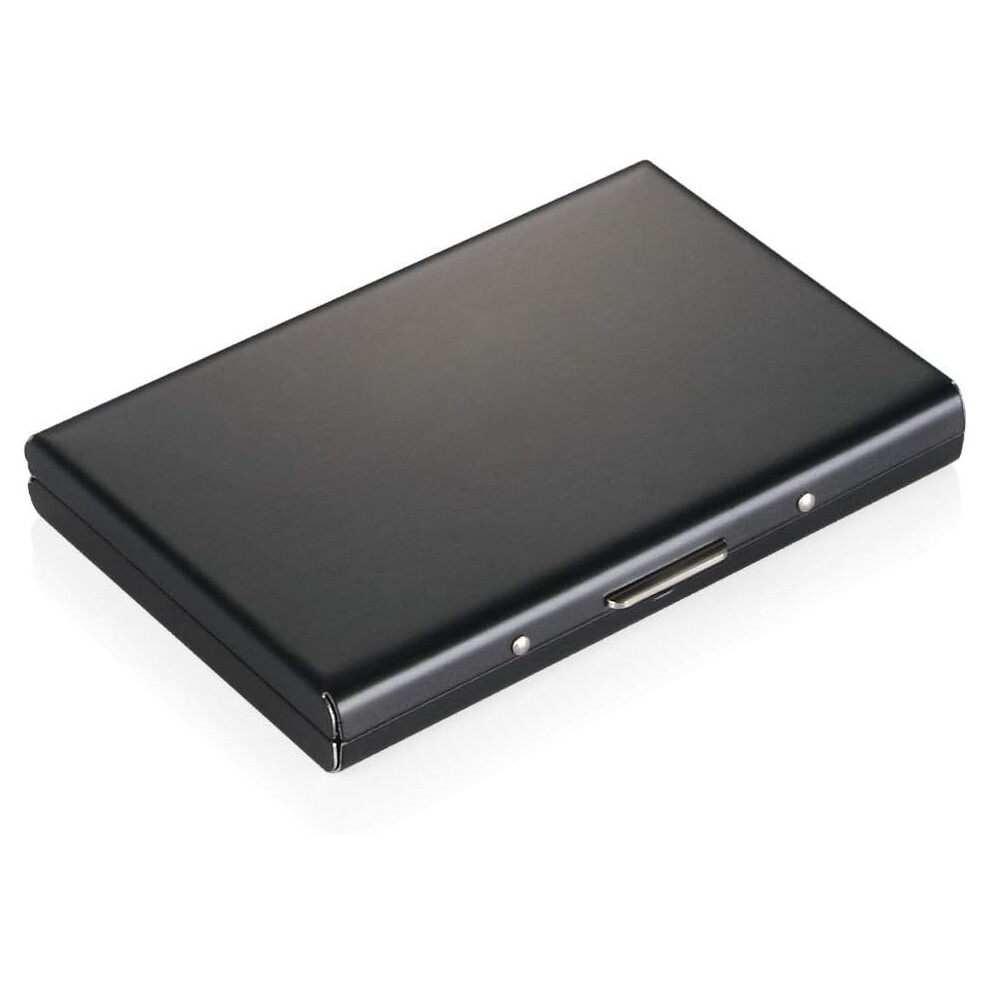
Card case credit cards, RFID blocking credit card case credit cards
by OnBuy.com
$7.38
2. Wallet For Credit Cards/ Money