
Imagine you are standing in front of a locked door. You need to get inside—maybe to rent an apartment, buy a car, or even land a job—but you don’t have the key. In the financial world, that key is your credit score. If you have never borrowed money before, you aren’t “bad” with money; you are simply invisible to lenders. You have no track record, no history of paying back debts, and no way to prove you are trustworthy.

The good news is that you can create that history using a credit card. While it sounds counterintuitive to use debt to prove you can handle debt, it is the most effective way to jumpstart your financial life. This guide will walk you through the different types of cards available and how to pick one that helps you grow without falling into a debt trap.
Understanding your starting options
When you have zero credit, you won’t qualify for the shiny rewards cards with high-end perks and low interest rates. Instead, you need to look at specific products designed for beginners. Generally, there are three main categories to consider.
Secured credit cards
These are the most reliable way to build credit. To get one, you provide a security deposit (often equal to your credit limit) which the bank holds in a savings account. If you fail to pay your bill, they use that money to cover the loss. Because the bank has this safety net, they are much more likely to approve you despite your lack of history.
Student credit cards
If you are currently enrolled in a college or university, you might have access to student-specific cards. These are unsecured, meaning you don’t need a deposit, but they often require proof of income or a student ID. They are great because they offer slightly better features than standard secured cards.
Unsecured starter cards
These are basic cards with no deposit required, but they often come with much lower credit limits and higher interest rates. They are harder to get if you have absolutely no history, but if you have a steady paycheck, some lenders may offer these to newcomers.
Comparing the costs of building credit
Before you apply, you need to compare the long-term costs of these cards. It isn’t just about the monthly payment; it is about the hidden fees that can eat into your budget. Some cards charge “monthly maintenance fees” just for the privilege of having the account, which is a huge red flag.
| Card Type | Typical APR Range | Typical Annual Fee | Security Deposit Required? |
|---|---|---|---|
| Secured Card | 18% – 29.99% | $0 – $50 | Yes (Usually $200+) |
| Student Card | 15% – 25% | $0 – $95 | No |
| Unsecured Starter | 22% – 30% | $0 – $100 | No |
When looking at these numbers, pay close attention to the APR. While you should always aim to pay your balance in full every month to avoid interest, a high APR can be devastating if an emergency occurs and you can’t pay the entire bill at once.
Cashback vs points: Which is better for beginners?
As you start using your card, you might see marketing materials debating cashback vs points. For someone building credit, the choice is actually quite simple. Points-based systems often require you to spend large amounts of money to see any real value, and the redemption rules can be complicated.
Cashback is much more straightforward. You spend $50 on groceries, and you get $1 back. It is tangible, easy to track, and helps you see the direct benefit of your responsible spending. When you are focused on building a foundation, simplicity wins every time.
The golden rules of credit building
Having the right card is only half the battle. How you use it determines whether your score climbs or crashes. Follow these steps to ensure your progress stays on track:
- Pay in full every single month. This is the most vital rule. If you carry a balance, you are paying interest and potentially hurting your credit utilization ratio.
- Keep your utilization low. Credit utilization is the amount of your limit you are actually using. If your limit is $300, try not to let your balance exceed $30 (10%). High usage signals to lenders that you might be overextended.
- Never miss a due date. Payment history is the largest component of your credit score. A single late payment can stay on your report for seven years.
- Set up autopay. Automation removes human error. Even if you only set it to pay the “minimum amount,” it ensures you never miss a deadline.
Legal protections and your rights
It is helpful to know that you aren’t at the mercy of your bank. Under the Truth in Lending Act (TILA), lenders are legally required to disclose the full cost of your credit, including the APR and any fees, before you sign the contract. This allows you to find the best rates and terms without surprises. Additionally, if you notice an error on your statement or a fraudulent charge, the Fair Credit Billing Act provides a specific process for you to dispute those charges and protect your money.
Always keep your physical statements or digital logs. If a bank fails to follow these regulations, you have the right to report them to the Consumer Financial Protection Bureau (CFBL).
Moving toward the next level
Building credit is a marathon, not a sprint. You shouldn’t expect to go from “no credit” to “platinum rewards member” overnight. Typically, after 6 to 12 months of consistent, on-time payments and low utilization, you will see your score rise enough to qualify for “unsecured” cards with better perks, such as travel rewards or higher cashback percentages.
Once you feel confident, you can begin to look for cards that offer more significant benefits. The goal is to eventually graduate from a “builder” card to a “mainstream” card that actually earns you money for your lifestyle.
Ready to take the first step? Start by checking your current status through a free service like AnnualCreditReport.com, then begin your search for a secured card that fits your budget. Your future self will thank you for starting today.
Our Top Picks
Products we recommend:
1. Card case credit cards, RFID blocking credit card case credit cards
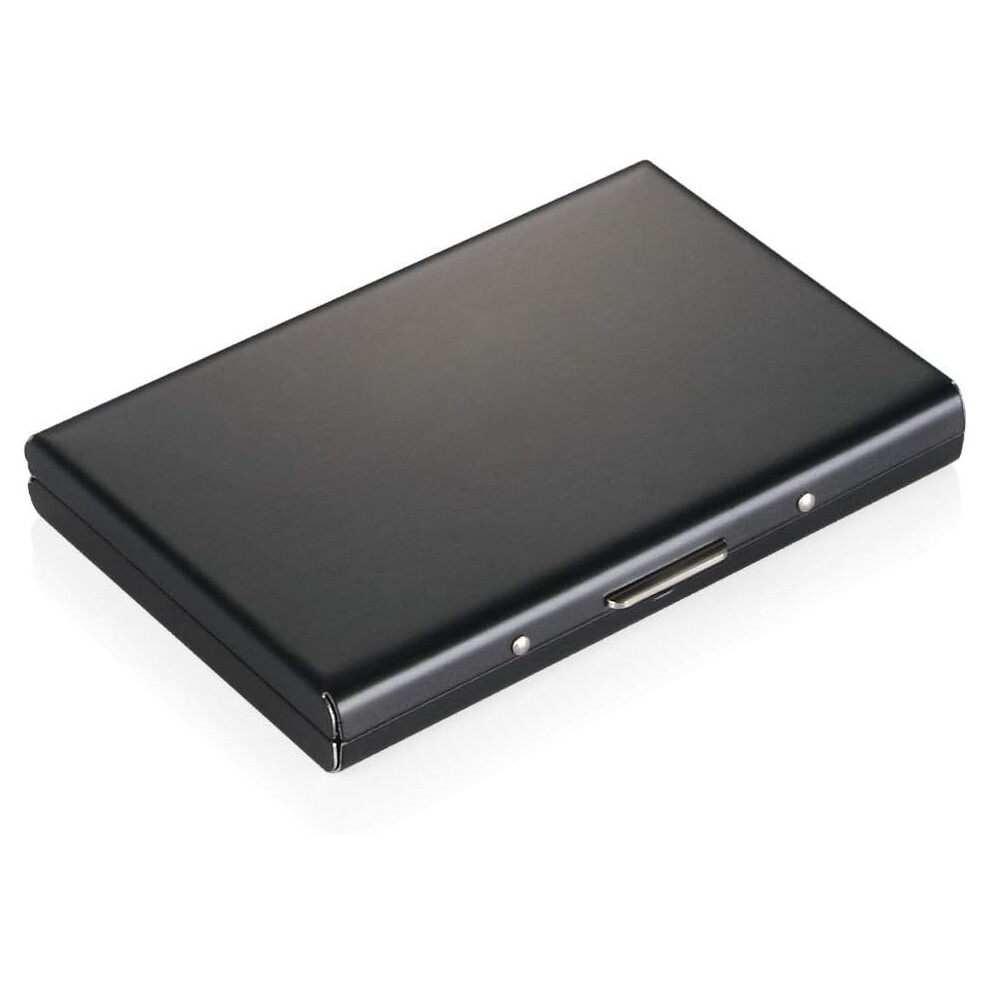
Card case credit cards, RFID blocking credit card case credit cards
by OnBuy.com
$7.38
2. Wallet For Credit Cards/ Money