Imagine you’re trying to rent a new apartment or buy your first car, but every time you submit an application, you hit a brick wall. That wall is your credit score. If you have never borrowed money before, you don’t have a score, which—ironically—makes you look just as risky to lenders as someone who has defaulted on dozens of loans. It feels like a “catch-22” situation: you need credit to get credit.

The good news is that you don’t need a massive inheritance to fix this. You just need a strategic starting point. Using a credit card specifically designed for beginners is one of the most effective ways to signal to credit bureaus that you are a responsible borrower. This guide will walk you through your options, from secured cards to student offers, so you can start climbing that score.
Understanding your starting line
Before you apply for anything, you need to know what you are up against. When you have no credit history, lenders are nervous. They want to see that you can manage a monthly payment without disappearing. This is why the first few cards you encounter will likely require a deposit or have higher interest rates than the “premium” cards you see advertised on TV.
There are generally three types of cards available for people starting from zero:
- Secured Credit Cards: These require a refundable security deposit (often equal to your credit limit). This deposit acts as collateral for the bank.
- Student Credit Cards: If you are currently enrolled in college, these are easier to get because lenders look at your student status as a proxy for future earning potential.
- Unsecured Starter Cards: These are harder to get without any history, but if you have a steady income, some banks may offer these with no deposit required.
Comparing your best options
Choosing the right card depends on your current liquid cash and your spending habits. Some people prefer cashback vs points when deciding, but when you are building credit, the rewards matter much less than the card’s terms and fees. You want a card that won’t eat your budget with annual fees.
| Card Type | Typical Annual Fee | Typical APR Range | Best For |
|---|---|---|---|
| Secured Card | $0 – $50 | 18% – 29% | Absolute beginners with no history |
| Student Card | $0 | 15% – 25% | College students with steady income |
| Unsecured Starter | $0 – $95 | 20% – 30% | Those with some income but no history |
When looking at these numbers, pay close attention to the APR. While you should aim to pay your balance in full every month to avoid interest entirely, a high APR can be a trap if you ever miss a payment or carry a balance.
The mechanics of secured credit cards
Secured cards are the “training wheels” of the financial world. When you open one, you might provide a $200 deposit. The bank then gives you a $200 credit limit. If you fail to pay your bill, the bank keeps that $200 to cover their loss. Because the risk to the lender is so low, they are much more likely to approve you.
The goal here is to use the card for small, manageable purchases—like a single streaming subscription or a tank of gas—and then pay it off immediately. After about 6 to 12 months of consistent, on-time payments, many banks will automatically convert your secured card into an unsecured card and return your deposit.
Navigating student-specific offers
If you are a student, you have a slight advantage. Many major banks offer cards specifically tailored to your demographic. These cards often feature the lowest APR available for beginner products and frequently include small perks like a $20 gift card upon account opening. However, the “catch” is that you must prove you are enrolled in an accredited institution.
Common pitfalls to avoid
Building credit is a marathon, not a sprint. Many people make the mistake of treating their first credit card like an extension of their paycheck. If you spend money you don’t actually have in your checking account, you will fall into a cycle of high-interest debt that can take years to escape.
Watch out for these specific red flags:
- High Annual Fees: If you are looking for a card under $50 in annual fees, you are in the safe zone. Avoid cards with $95+ fees until your credit score is already established.
- Credit Limit Increases: While it sounds great, a sudden jump in your limit can sometimes lead to temptation. Keep your spending disciplined.
- Multiple Applications: Every time you apply for a card, the lender performs a “hard inquiry” on your credit report. Too many of these in a short period can actually lower your score.
Under the Truth in Lending Act (TILA), lenders are legally required to disclose the cost of credit, including the APR and any potential fees, in a clear and conspicuous manner. Always read the “Schumer Box”—that standardized table in your credit agreement—before signing anything. It is the most honest part of the contract.
The importance of credit utilization
One of the biggest drivers of your credit score is your utilization ratio. This is simply the amount of credit you are using compared to your total limit. If you have a $500 limit and you spend $450, your utilization is 90%. This looks risky to lenders. To keep your score climbing, try to keep your usage below 30% at all times.
A smart trick is to pay your bill a few days *before* the statement closing date. This ensures that when the bank reports your balance to the credit bureaus, it shows a low amount, which helps boost your score.
Summary of your next steps
Starting from scratch is intimidating, but it is entirely manageable with a plan. Focus on getting a secured or student card, keep your spending low, and never, ever miss a payment. Once you have established a solid foundation of 12 months of perfect history, you will find that the doors to better interest rates and higher credit limits begin to open.
Ready to take control of your financial future? Start by checking your current status through a free service and then research secured card options that fit your budget today.
Our Top Picks
Products we recommend:
1. Card case credit cards, RFID blocking credit card case credit cards
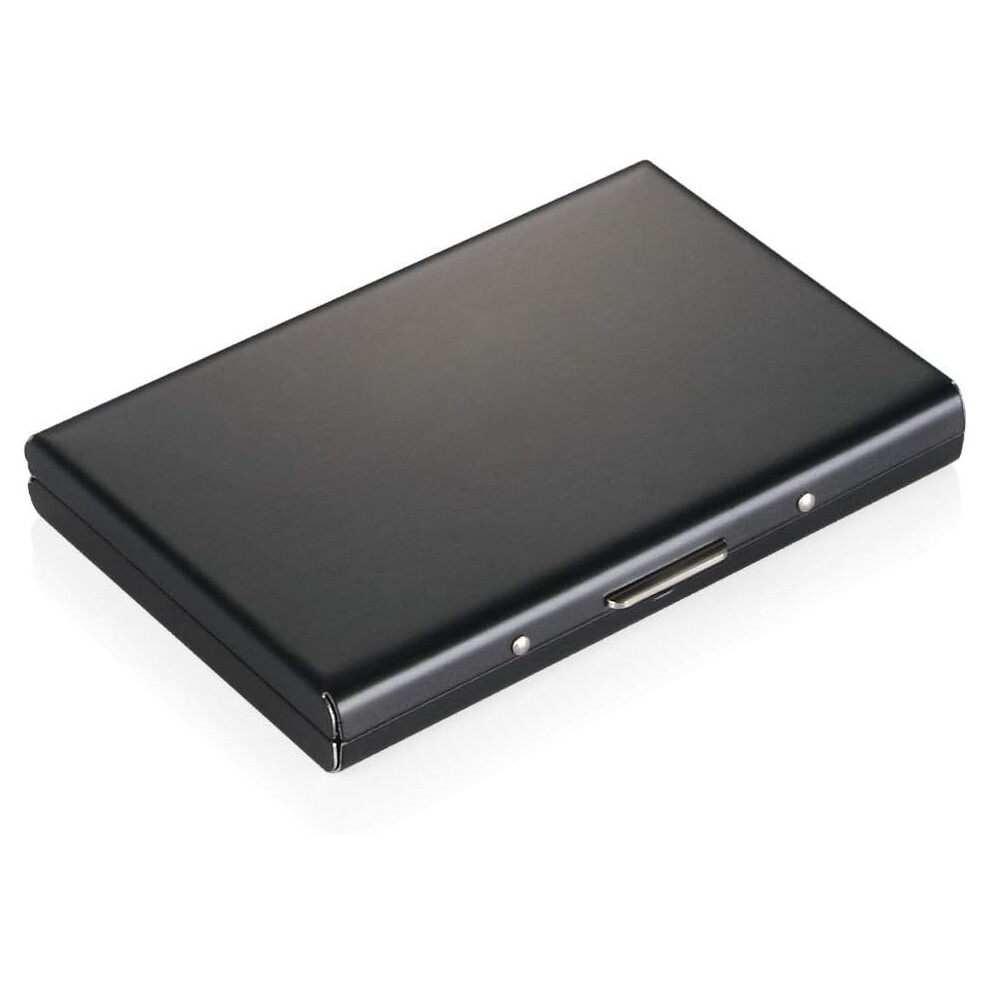
Card case credit cards, RFID blocking credit card case credit cards
by OnBuy.com
$7.38
2. Protective Wallet For Credit Cards