Starting from zero is a weird place to be. You need a credit score to rent an apartment, get a car loan, or even land certain jobs, but you can’t get a score without having used credit first. It feels like a classic “catch-22” situation. If you are staring at a blank credit report, you aren’t alone, and the good news is that you don’t need a massive inheritance to fix this. You just need the right tool to start leaving a paper trail of responsible payments.

Think of your credit score as a reputation. If you have never borrowed money, you don’t have a bad reputation; you just don’t have a reputation at all. The goal of using a credit card for building credit is to prove to lenders that you can handle small amounts of debt and, more importantly, pay it back on time every single month.
Understanding your options: Secured vs. Unsecured cards
When you have no credit history, most standard “rewards” cards will likely reject your application. Instead, you generally have two paths: secured credit cards or student cards. Choosing between them depends on your current income and how much upfront cash you can set aside.
Secured credit cards: The safety net
A secured card is essentially a credit card backed by a cash deposit. When you open the account, you give the bank, say, $300, and that $300 becomes your credit limit. This deposit protects the bank if you fail to pay your bill. Because the risk to the lender is so low, they are much more likely to approve you even with a zero score.
The downside is the upfront cost. You have to have that cash sitting in a bank account ready to go. However, once you use the card and pay it off, most lenders will eventually review your account and return your deposit, converting the card into an unsecured version.
Unsecured cards and student options
If you are a student or have a steady, verifiable income, you might qualify for an unsecured card. These don’t require a deposit. While these are harder to get without a history, they are great because you keep your cash in your pocket. If you are deciding between these, you should compare the annual fees closely, as some entry-level cards charge $50 to $100 just for the privilege of having the account.
Comparing the most common card types
Not all building cards are created exists for the same purpose. Some focus on simplicity, while others try to offer perks like rewards. Let’s look at how the numbers typically shake out for beginners.
| Card Type | Typical APR Range | Upfront Deposit Required | Best For |
|---|---|---|---|
| Secured Card | 18% – 29.99% | $200 – $500 | Absolute beginners with no history |
| Student Card | 15% – 25% | None | College students with income |
| Unsecured Builder | 20% – 30% | None | Those with thin files but some income |
When looking at these numbers, pay close attention to the APR (Annual Percentage Rate). While you should always aim to pay your balance in full to avoid interest, a high APR can bite you if you have an emergency and can’t clear the full amount one month.
The debate: Cashback vs points for beginners
Once you find a card that accepts you, you’ll notice a choice between cashback vs points structures. For someone building credit, the “best rates” on rewards aren’t nearly as important as the features of the card itself, but it is still worth considering.
- Cashback: This is straightforward. You spend $100, and you get $1 back. It is easy to track and great for people who want to see immediate, tangible value from their spending.
- Points/Miles: These are more complex. You earn points that can be redeemed for travel or gift cards. While potentially more valuable, the math can be harder to figure out, and you often need to spend much more to see a benefit.
验
My advice? Stick to cashback. When you are focused on managing a new habit of credit usage, you don’t need the mental overhead of calculating point valuations. You just want to see your balance go down and your rewards grow.
Three golden rules for building a high score
Having the card is only half the battle. How you use it determines whether your score climbs or crashes. Under the Fair Credit Reporting Act (FCRA), lenders are required to report your payment history to the credit bureaus, which is why your behavior matters so much.
- Never miss a payment: This is the single most important factor. One late payment (30 days or more) can tank a developing score for years. Set up autopay for at least the minimum amount so you are never caught off guard.
- Watch your utilization: This is the percentage of your credit limit that you are actually using. If your limit is $300 and you spend $290, your score will likely drop because you look “maxed out.” Try to keep your usage below 30%—or even better, below 10%.
- Keep the account open: The length of your credit history matters. Even if you don’t use the card much, don’t close it. A long-standing account shows stability to future lenders.
A note on fees and regulations
Always read the Schumer Box. This is the standardized table required by law that discloses interest rates and fees. Look specifically for annual fees, late payment fees, and foreign transaction fees. If a card has a $75 annual fee and you only spend $500 a year on it, the fee is eating your progress.
Summary of what to look for
When you start your search, don’t just look for the first card that says “easy approval.” Look for a card that offers a clear path to growth. You want a card with no annual fee, a manageable APR, and a lender that reports to all three major bureaus: Equifax, Experian, and TransUnion.
Building credit is a marathon, not a sprint. There will be months where your score fluctuates, and that is normal. As long as you remain disciplined with your spending and consistent with your payments, you will eventually move from “no credit” to “excellent credit.”
Ready to take the first step? Start by checking your current status through a free service, then look for a secured card that fits your budget. Your future self will thank you when you’re ready to apply for that first apartment or car loan.
Our Top Picks
Products we recommend:
1. Card case credit cards, RFID blocking credit card case credit cards
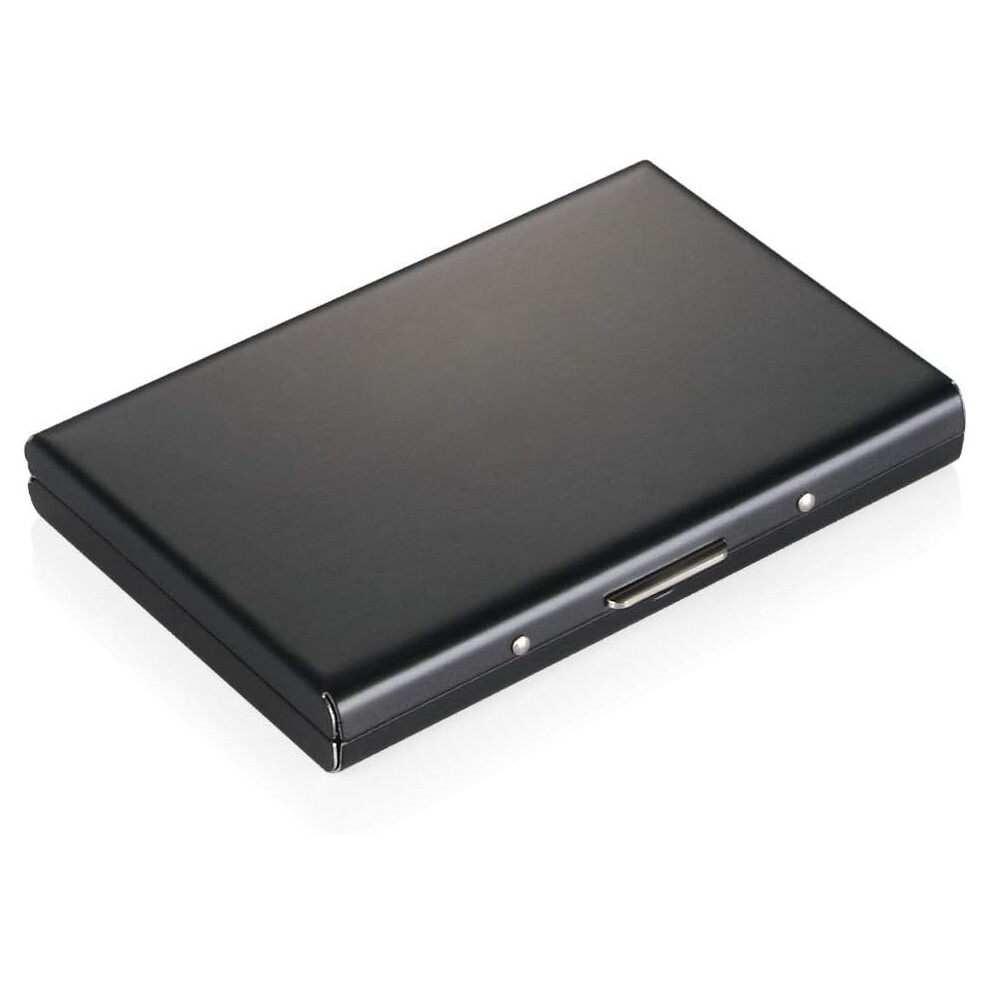
Card case credit cards, RFID blocking credit card case credit cards
by OnBuy.com
$7.38
2. Wallet For Credit Cards/ Money