
We have all been there: it is three days before payday, you check your banking app, and suddenly that “extra” money you thought you had has vanished into a black hole of subscription renewals and takeout orders. It feels like your money has a mind of its own. The problem usually isn’t that you aren’t earning enough; it’s that you don’t have a clear view of where every dollar is going. You don’t need a fancy, expensive financial advisor to fix this. Often, all you need are the right free tools to bring some order to the chaos.
Budgeting sounds like a chore, like doing laundry or cleaning the gutters. But when you use the right systems, it stops being about restriction and starts being about intention. You aren’t telling yourself “no” to coffee; you are telling yourself “yes” to a house down payment or a summer vacation. Let’s look at some genuinely helpful, free resources that can help you track your spending and actually grow your savings.
The Best Free Apps for Automated Tracking
If you hate manual entry, automation is your best friend. These tools connect directly to your bank accounts to categorize your spending without you having to lift a finger. This is perfect for people who want a high-level view of their habits without the daily upkeep.
Mint Alternatives and Modern Trackers
Since Mint transitioned its services, many people have been left scrambling. Fortunately, several free alternatives have stepped up to fill the gap. These apps focus heavily on net worth tracking and identifying “leaks” in your budget, such as forgotten subscriptions.
- Empower (formerly Personal Capital): This is a heavy hitter for anyone focused on long-term wealth. While it is built for investing, its free dashboard provides a fantastic look at your net worth and fee analysis on investment accounts.
- PocketGuard: This app is great if you struggle with overspending. It calculates how much “spendable” money you have left after accounting for your bills, goals, and necessities.
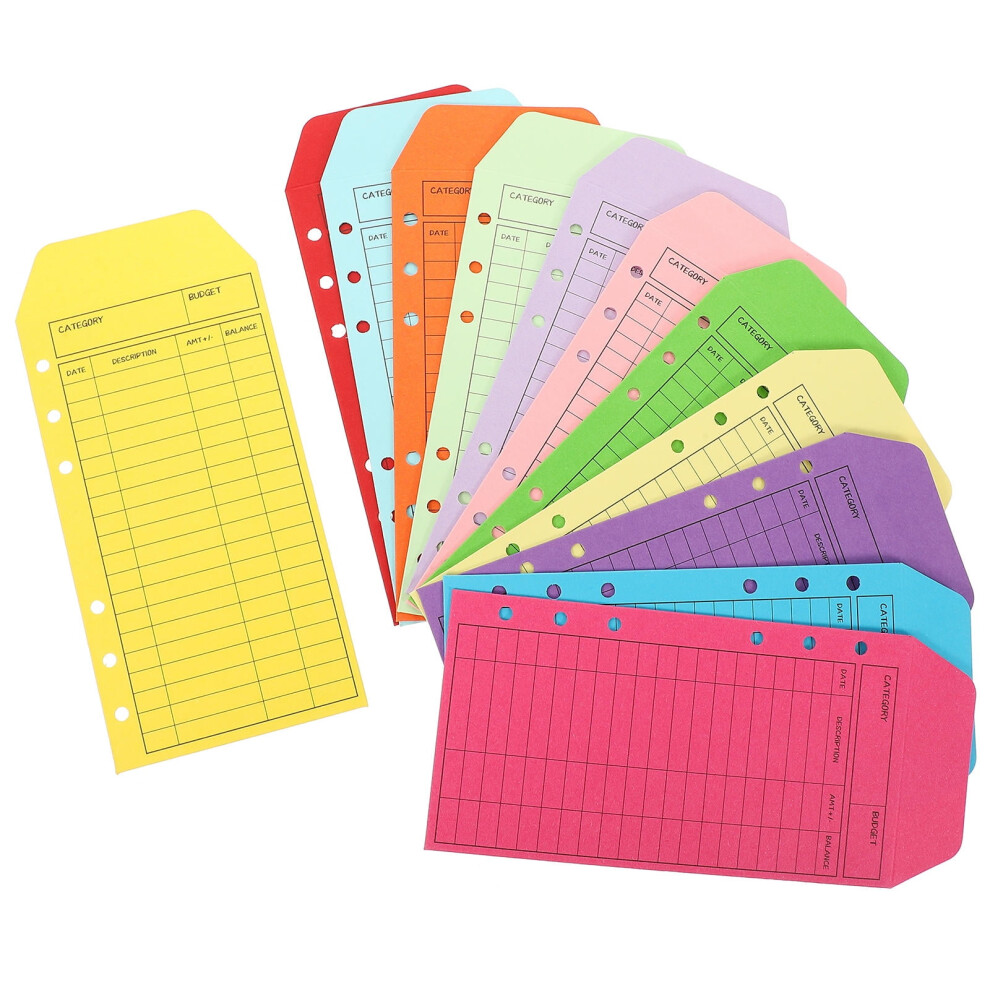
- Goodbudget: If you prefer the traditional “envelope method,” this is your best bet. It mimics the old-school way of allocating cash to specific categories like groceries or rent, helping you visualize exactly when a category is running low.
Comparing Automation Styles
Choosing between these depends on whether you want to focus on the past (tracking what you spent) or the future (planning what you will spend). Use the table below to decide which fits your personality.
| Tool Type | Best For | Primary Feature |
|---|---|---|
| Aggregators | Net Worth Tracking | Syncs all bank and credit card accounts |
| Envelope Method | Strict Budgeters | Manual allocation of funds to “envelopes” |
| Cash Flow Trackers | Daily Spenders | Shows “In My Pocket” remaining balance |
The Power of Spreadsheets: For the Data Lovers
Sometimes, apps feel too restrictive or too automated. If you find yourself constantly questioning why an app categorized a grocery trip as “shopping,” you might prefer the manual control of a spreadsheet. Google Sheets and Microsoft Excel are incredible because they are infinitely customizable.
Using a spreadsheet allows you to build your own logic. You can track your cashback vs points strategy by creating a tab that compares how much you earn back on different credit cards based on your spending categories. This level of granularity is hard to find in a standard app.
To get started, you don’t need to be a math whiz. You can find plenty of free templates online. Look for “Zero-Based Budget” templates, where every single dollar is assigned a job before the month begins. This method is highly effective for preventing that “phantom” spending that happens when you think you have more wiggle room than you actually do.
Managing Debt and Interest Rates
A budget isn’t just about tracking expenses; it’s about managing your liabilities. If you are carrying a balance on a credit card, your budget is essentially being eaten by interest. When looking at your debt, you should be hyper-focused on finding the lowest APR possible to stop the bleeding.
When you are reviewing your monthly obligations, keep an eye on the following:
- Credit Card Interest: If you are paying 24% APR or higher, your priority should be a balance transfer or a debt consolidation loan.
- Annual Fees: Check your cards for any no annual fee options that provide similar benefits. Paying $95 a year for a card you rarely use is a direct hit to your savings goal.
- Subscription Creep: Use your tracking tool to identify recurring monthly charges. If you haven’t used a service in 60 days, cancel it immediately.
Under the Truth in Lending Act (TILA), lenders are required to disclose the APR and various fees upfront. Use this transparency to your advantage. Compare your current rates against market averages. If you see a significant gap, it might be time to shop around for a new credit provider.
Simple Strategies to Boost Your Savings Rate
Once you have the tools in place, the goal is to increase the gap between your income and your expenses. This is your “savings margin.” Even a 1% increase in this margin can result in thousands of dollars over a decade due to the way compound interest works.
Try the “Round-Up” method. Many banking apps now offer a free feature where every purchase is rounded up to the nearest dollar, and the change is moved to a savings account. It is a painless way to build an emergency fund without feeling the pinch in your daily lifestyle.
Another tactic is the “Automated Savings” rule. Set up a recurring transfer from your checking to your savings account to occur the same day your paycheck hits. If you never see the money in your checking account, you won’t miss it.
Final Thoughts on Staying Consistent
The best budgeting tool in the world is useless if you only use it for three days. Consistency beats intensity every single time. You don’t need to check your accounts every hour; a weekly “money minute” to review your transactions and upcoming bills is more than enough to keep you on track.
Start small. Pick one app or one spreadsheet template today. Set up your categories, look at your last month of spending, and identify one area where you can cut back. Small wins lead to big momentum.
Ready to take control of your finances? Pick one of the tools mentioned above and commit to tracking your spending for the next 30 days. You might be surprised at how much easier it is to save when you finally know exactly where your money is going.
Our Top Picks
Products we recommend:
1. Get Picked! Insights That Actually Help You Get Hired

2. Get Picked! Insights That Actually Help You Get Hired

3. Offers Help You Save