
Finding a decent interest rate feels like a moving target lately. If you’ve been checking your bank app or scrolling through finance forums, you’ve probably noticed that the numbers change almost every week. As we move through 2026, the landscape for borrowing money has stabilized slightly compared to the wild volatility of previous years, but finding the best rates still requires some actual legwork.
Whether you are looking to consolidate high-interest credit card debt or you need a lump sum for a home renovation, the cost of that money is the most critical factor. A difference of even 2% in your APR can mean hundreds, if not thousands, of dollars extra out of your pocket over the life of the loan. This guide is here to help you handle the current market so you can compare options without the headache.
Understanding the 2026 Interest Rate Landscape
The Federal Reserve’s decisions over the last eighteen months have finally started to settle into a predictable pattern. We aren’t seeing the massive, sudden spikes that defined the early 2020s, but we aren’t back in the “near-zero” era either. Most competitive personal loans right now are hovering in a specific range depending on your creditworthiness.
Lenders are being more selective than they were a few years ago. While there is plenty of capital available, the “easy money” era is over. To get the lowest possible APR, you really need to show a stable income and a credit score that sits comfortably above 720. If your score is lower, you might still find a loan, but expect the interest rate to jump significantly.
What drives your specific APR?
Several moving parts determine the number a lender offers you. It isn’t just about your credit score. Consider these factors:
- Credit Score: This is the heavy hitter. High scores unlock the lowest tiers of interest.
- Debt-to-Income Ratio (DTI): Lenders look at how much of your monthly income is already spoken for by other debts.
- Loan Term: Shorter loans (e.g., 24 months) often have lower rates than longer ones (e.g., 60 months).
- Loan Amount: Sometimes, much larger loans carry slightly different risk profiles.
Comparing Top Lender Types in 2026
Not all lenders are created equal. Depending on your situation, a big national bank might offer a different experience than a specialized online fintech company. You should compare at least three different types of institutions before signing anything.
Traditional banks are great if you already have a long-standing relationship with them. They might offer “relationship discounts” if you have significant savings in their accounts. However, their application processes can feel a bit old-fashioned and slow. Online lenders, on the other as, are built for speed. They often provide much faster funding—sometimes within 24 to 48 hours—but their rates can vary wildly based on their specific risk appetite.
| Lender Type | Typical APR Range (2026) | Best For… | Pros |
|---|---|---|---|
| Credit Unions | 7.5% – 15% | Members with good credit | Lower rates, personalized service |
| Online Fintechs | 8.0% – 28% | Speed and convenience | Fast funding, easy mobile apps |
| Big National Banks | 10% – 24% | Existing customers | Convenience, integrated banking |
Hidden Costs to Watch Out For
The interest rate is only one part of the equation. If you only look at the APR, you might miss fees that eat into your savings. I always tell people to look at the “total cost of borrowing” rather than just the monthly payment.
One of the most common fees is the origination fee. This is an upfront charge that a lender takes out of your loan proceeds. For example, if you borrow $10,000 and there is a 5% origination fee, you only actually receive $9,500 in your bank account, but you are still paying interest on the full $10,000. It is also a good idea to look for a no annual fee structure to ensure you aren’t being charged just for holding the loan.
Common fees in personal lending:
- Origination Fees: Usually 1% to 8% of the loan amount.
- Prepayment Penalties: Some lenders charge you if you try to pay the loan off early. Avoid these at all costs.
- Late Payment Fees: Standard, but worth checking the exact amount.
- Application Fees: Most reputable lenders today do not charge this, so if they do, proceed with caution.
How to Prepare for Your Application
If you want to secure the best possible terms, you shouldn’t just click “apply” on the first site you see. You need a strategy. First, check your credit report for errors. A single mistake regarding a closed account can drag your score down by dozens of points.
Next, gather your documentation. In 2026, digital verification is standard, but having your recent pay stubs, W-2s, and tax returns ready will speed up the process. When you are ready to move, use “pre-qualification” tools. These allow you to see your estimated rate using a soft credit pull, which doesn’t hurt your credit score. This is the smartest way to compare multiple offers without any risk to your standing.
Lastly, consider your debt-to-income ratio. If you have a lot of revolving credit card debt, paying down a small portion of it before applying for a personal loan can significantly improve your chances of getting a lower rate. It’s a bit of extra work upfront, but the long-term savings are massive.
Final Thoughts on Borrowing This Year
Personal loans remain a powerful tool for managing life’s unexpected expenses or restructuring debt, provided you use them intentionally. The market in 2026 offers plenty of variety, but the responsibility lies with you to look past the marketing and scrutinize the fine print. Always prioritize the total cost of the loan over the lowest monthly payment.
Ready to see what you qualify for? Start by checking your credit score and then use a comparison tool to scan the current market. Taking an hour to do this research now can save you thousands of dollars over the next few years.
Our Top Picks
Products we recommend:
1. Best Buys, Ratios, and Rates

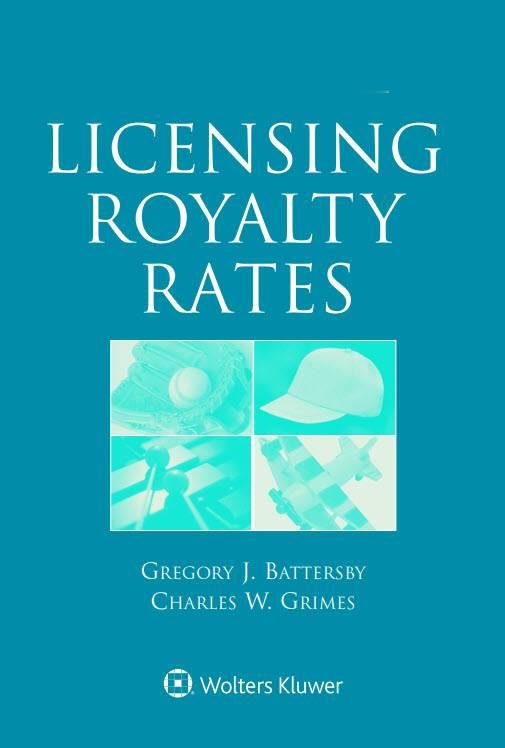
2. Licensing Royalty Rates 2026 Edition
3. Personal Best