
Mastering Your Money: A Roundup of Top Budgeting Tools
Managing your finances is one of the most critical skills for long-term stability and freedom. Whether you are trying to save for a down payment on a house, pay off high-interest debt, or simply stop living paycheck to paycheck, having a system in place makes all the difference. In the past, this meant writing checks by hand or maintaining physical spreadsheets. Today, technology has evolved to offer sophisticated tools that help automate tracking and simplify complex numbers. However, budgeting is not just about software; it is also about understanding your habits and learning financial literacy. This roundup features five distinct resources ranging from desktop applications to educational audiobooks and planners. Whether you prefer high-tech solutions or traditional paper methods, there is something here to help you take control of your wallet.
Quicken Premier 2016 Personal Finance and Budgeting by BiggerBooks.com — $9.78
This classic desktop-style application stands out for its robust ability to handle large volumes of transaction data without slowing down. It is best suited for individuals who want a comprehensive view of their net worth, including investments, loans, and checking accounts all in one place. The software features powerful categorization tools that let you tag expenses automatically, though some users may find the interface slightly dated compared to modern mobile-first apps.

At $9.78, it offers significant value for those who need detailed reporting rather than just a simple tracker. While it does not have the sleekest user experience of newer competitors, its reliability and depth make it a favorite for serious investors. The drawback is that it requires a computer to function fully, so if you prefer managing your money strictly from a smartphone, this might feel restrictive.
Budgeting Habit Bundle, 2 in 1 Bundle:: Budgeting Guide and Budgeting and Personal Finance by Audiobooks.com — $8.99
This bundle is unique because it combines practical guidance with educational content to help you build a sustainable financial routine. It is best for people who struggle with discipline and need constant reinforcement to stick to their spending goals. The standout feature is the two-in-one format that addresses both the mechanics of budgeting and the psychology behind saving money.

Budgeting Habit Bundle, 2 in 1 Bundle:: Budgeting Guide and Budgeting and Personal Finance
by Audiobooks.com
$8.99
Priced at just $8.99, this resource is incredibly accessible for beginners who feel intimidated by financial jargon. It removes the stress of figuring out how to categorize every receipt by focusing on habit formation instead. However, because it focuses heavily on habits rather than automated tracking, you will still need to manually input your data or use a separate app to see your actual numbers.
TEMU Budgeting For Dummies (for Dummies (business & Personal Finance)) by Temu — $34.98
As part of the popular for Dummies series, this guide stands out for its ability to break down complex financial concepts into easy-to-understand language. It is best for absolute beginners who have never created a budget before and need step-by-step instructions. The notable feature includes clear examples that walk you through setting up your first plan without feeling overwhelmed.
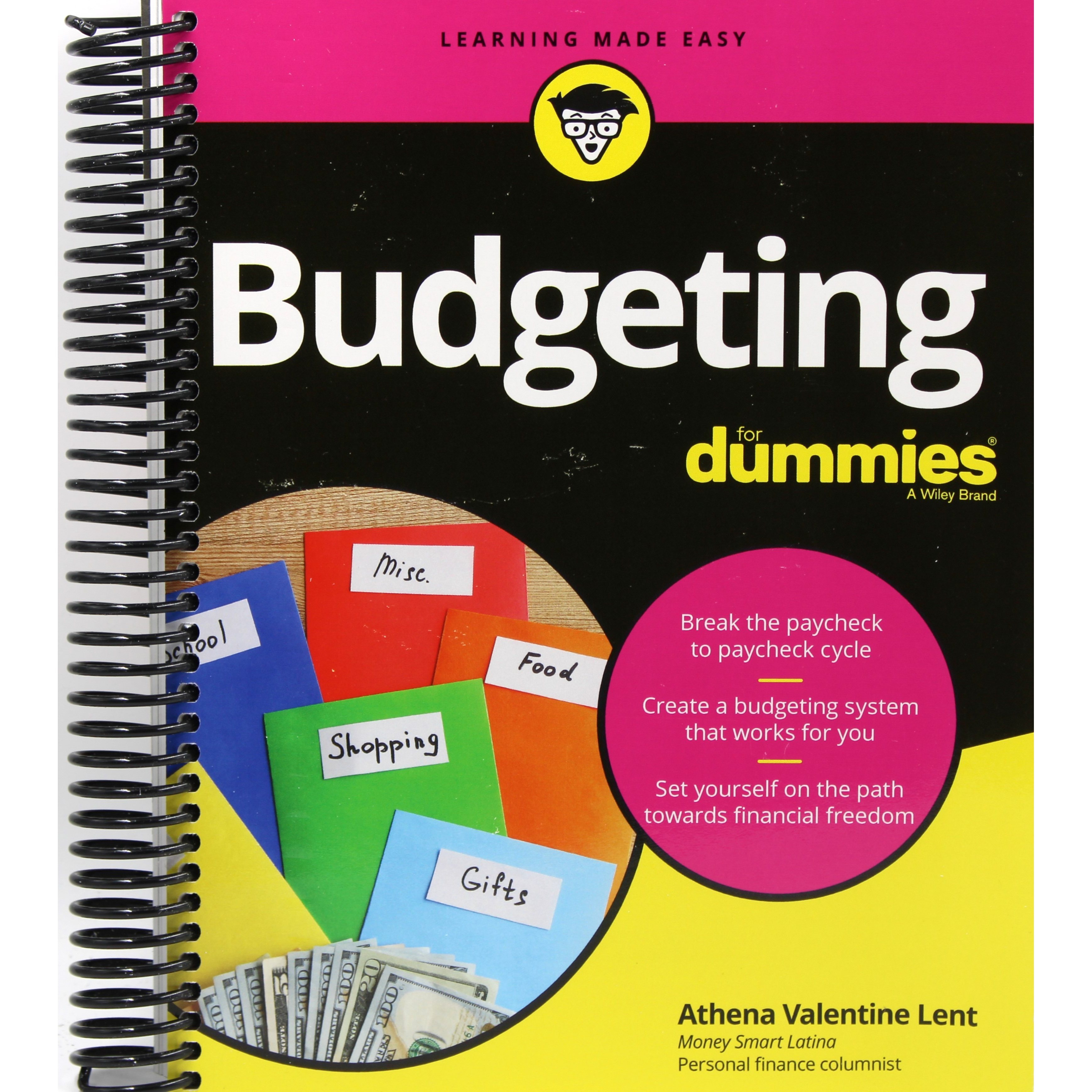
While the price point of $34.98 is higher than some competitors, it reflects the comprehensive nature of the guidebook format. This resource does not offer automated tracking or digital syncing, which can be a drawback for tech-savvy users looking for speed. However, for those who want to learn the theory behind budgeting before investing in expensive software, this is an excellent foundational text.
Personal Finance Budgets Planner Book for Bills Simple Financial Planner Budgeting Book stress-free budgeting by OnBuy EU — $11.99
This planner book stands out for its tangible nature, allowing you to physically write down your income and expenses each month. It is best for visual learners who prefer seeing their numbers on paper rather than staring at a screen. The simple layout reduces cognitive load, making it easier to track bills and avoid overspending on discretionary items.
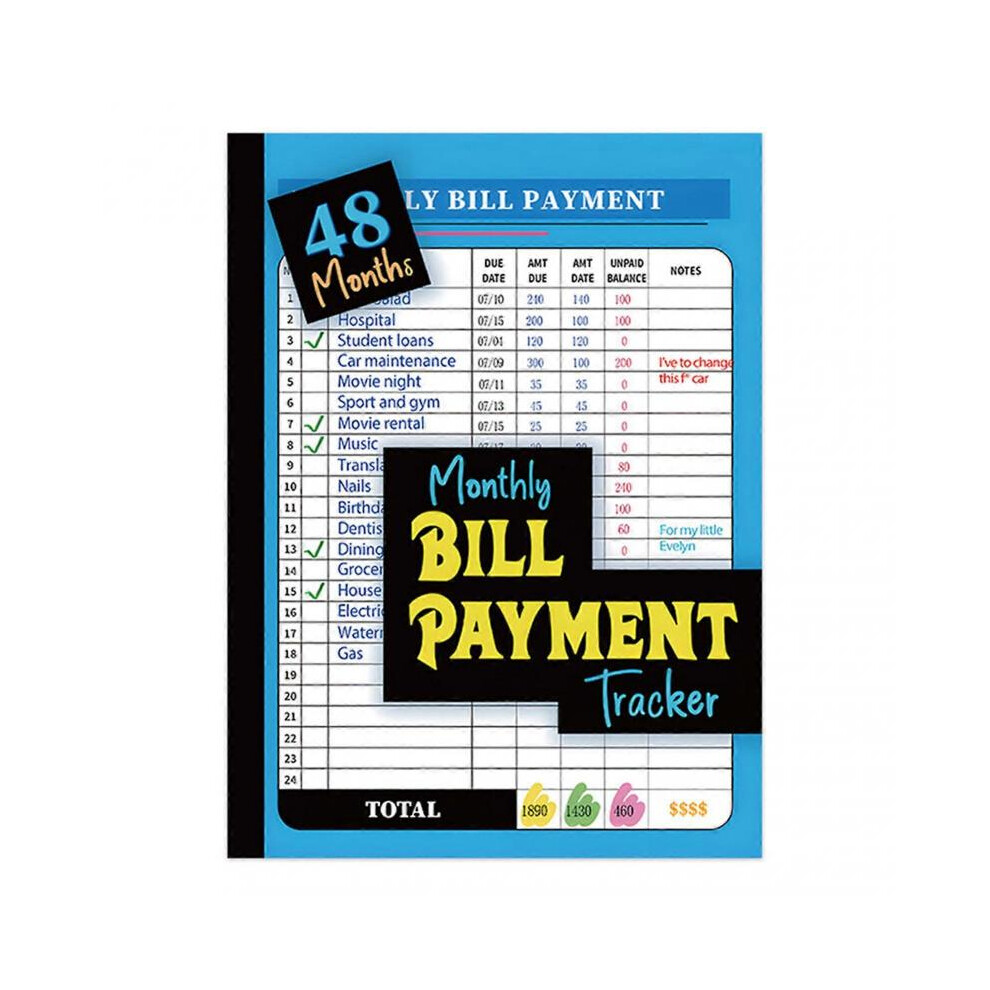
Personal Finance Budgets Planner Book for Bills Simple Financial Planner Budgeting Book stress-free budgeting
by OnBuy EU
$11.99
At $11.99, this planner offers an affordable entry point into financial organization without needing a subscription service. A major drawback is that you cannot edit entries digitally, so if you make a mistake, you must cross it out and start over. Despite this limitation, the stress-free approach helps many people stay consistent with their tracking, which is often the hardest part of budgeting.
Personal Finance, Budgeting, And Money Management – Audiobook, by Owen Jones by Chirp Books — $7.99
This audiobook stands out for its flexibility, allowing you to listen while commuting or doing household chores. It is best for busy professionals who need to absorb financial advice during their daily routine rather than sitting down to read a book. The audio format ensures that you can learn about money management without adding more tasks to your to-do list.
Personal Finance, Budgeting, And Money Management – Audiobook, by Owen Jones
by Chirp Books
$7.99
Priced at $7.99, it is one of the most affordable options for gaining expert knowledge on wealth building. While it lacks interactive tools or calculators, the educational content alone is valuable enough to change your mindset toward spending. The drawback is that listening does not actively track your money, so you will still need a separate system to record your actual financial transactions.
How We Picked
Selecting these five products required looking at several key criteria to ensure we provided options for every type of learner. First, we analyzed the price point to ensure affordability across different budgets, noting that everything here is under $35. Second, we evaluated the format suitability, ensuring a mix of digital software, audiobooks, and physical planners to cater to different preferences. Third, we considered educational value, making sure each item offered actionable advice or tools rather than just empty promises. Finally, we checked for usability, ensuring that even older software like Quicken remained relevant enough to include alongside modern learning resources.
Conclusion
There is no single perfect tool for everyone when it comes to personal finance. Some people thrive on the automation of desktop apps, while others need the tactile satisfaction of writing in a planner or listening to lessons on the go. By reviewing these five options, we hope you find the right fit for your current financial goals and lifestyle. Remember that the best budgeting tool is the one you actually use consistently. Whether you choose Quicken for detailed tracking or the For Dummies guide to learn the basics, taking the first step toward organization is the most important move you can make today.